Free Express Shipping Across Hong Kong

The growing movement toward cold water immersion has brought a wave of choices for anyone looking to sharpen their focus and refresh their body. As individuals seek the ultimate setup for their daily routine, a common debate has emerged: should you spend in a dedicated cold plunge unit or stick with a traditional ice bath tub?
While both methods share the same goal; subjecting the body to a controlled chill to build mental grit and physical readiness; the way they deliver that experience is quite different. Choosing the right path requires looking past the branding and understanding how water dynamics, temperature control, and daily maintenance affect your results and your lifestyle.
Defining the Contenders: Plunge vs. Tub
To make an informed choice, it helps to understand exactly what sets these two options apart. The differences lie primarily in how the water is cooled, maintained, and circulated during your session.
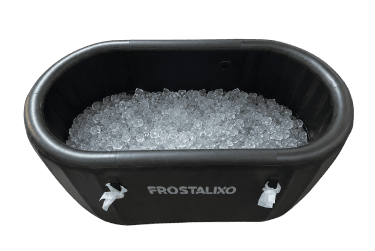
A standard ice bath tub is a manual system. It is a well-insulated container that you fill with fresh water from a faucet and cool down by adding bags of ice. It relies entirely on your own labor to reach the desired temperature.
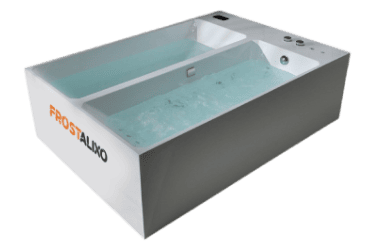
A dedicated cold plunge, on the other hand, is an automated, high-tech machine. It features an integrated digital chiller, filtration loops, and circulation pumps that keep the water at a precise, constant temperature around the clock without requiring you to haul heavy ice bags before every dip.
The Reality of Temperature Precision
When it comes to securing predictable results from your cold practice, precision is an important factor. The human nervous system responds differently depending on the exact degree of the water, and this is where the two systems diverge.
With a manual tub, achieving an exact temperature is a guessing game. Factors like the ambient room temperature, the initial warmth of your tap water, and how much ice you dump in will cause the next it could drop to a biting 46°C (8°C).
An automated plunge eliminates this variance completely. You simply dial in your preferred target, and the digital chiller maintains that exact baseline.
This consistency allows you to structure your routine with absolute accuracy, ensuring you get the exact stimulus you need every time.
The Thermal Layer and Water Movement
An unexpected physical phenomenon occurs when a person sits ideally still in freezing water, and it plays a massive role in how intense the session feels. Your body naturally warms the water directly touching your skin, creating a microscopic shield known as a thermal layer.
In a traditional manual tub, the water is completely still. If you remain motionless, this thermal barrier stays intact, making the water feel slightly more tolerable over the minutes. In an automated cold plunge, however, the internal pumps are consistently circulating the water through the filtration system.
This continuous movement breaks down the thermal layer, ensuring that moving, freezing water is always in contact with your skin. This makes a 50°C (10°C) session in a plunge feel significantly colder and more challenging than the same temperature in a still tub, demanding a higher level of focus and breath control.
Maintenance and Water Purity
Keeping your recovery space clean and inviting is vital for ensuring you look forward to your daily practice. The amount of effort you want to spend in maintenance should heavily influence your decision.
Manual Tub Upkeep: Because a standard tub lacks a filtration system, the water must be drained and replaced frequently to prevent it from becoming stagnant. This requires a regular routine of scrubbing the interior walls and refilling the vessel, which can turn into a time-consuming chore if you use the tub daily.
Automated Plunge Filtration: An advanced plunge runs the water through multi-stage filters and sanitizing systems, such as ozone or ultraviolet light. This keeps the water crystal clear and pure for months at a time, reducing your daily chore to a simple check of the filter grid.
Assessing the Logistics of Daily Prep
The ultimate routine is the one you can actually stick to without adding unnecessary friction to your busy schedule. You should consider how much time you are willing to spend preparing your environment before you can start your session.
A manual tub requires foresight. You need to ensure you have enough ice on hand, fill the container, and wait for the cubes to cool the water down. This prep work can take anywhere from fifteen to thirty minutes, which can be an obstacle if you like to plunge immediately after waking up.
An automated unit is always ready. Because the chiller runs continuously, you can simply walk to your balcony or backyard, lift the insulated lid, and step straight inti the chill without a single moment of preparation, making it incredibly easy to maintain a consistent habit.
Space, Portability, and Installation
The physical constraints of your living space will also guide your choice. Tubs and plunges have very different footprints and structural requirements that must be accounted for.
Manual tubs are often highly portable. Many models are made from lightweight, inflatable drop-stitch fabrics that can be deflated, packed into a bag, and moved to a new home or terrace with ease.
They don’t require a nearby electrical outlet. Automated plunges are much heavier, more permanent fixtures. The inclusion of the chiller unit means they tend to occupy a larger footprint and require a dedicated, safe power source to run the cooling system.
If you are living in a temporary rental apartment, a portable tub might offer the flexibility you need, while a permanent home is ideal for an automated setup.
Balancing Your Long-Term Asset
There is no denying that the initial cost difference between these two systems is substantial. A standard insulated tub is an affordable entry point into the world of cold therapy, allowing you to test your dedication before making a larger commitment.
However, if you plan to use the cold daily for years, the ongoing cost of buying commercial ice bags or running a home ice maker can add up quickly over time. An automated plunge represents a significant upfront cost, but it eliminates the need for ice entirely, operating efficiently on standard household electricity.
For a truly dedicated enthusiast, the long-term convenience and zero-prep nature of an automated system often justify the initial baseline, turning the practice into a seamless, permanent pillar of their lifestyle.
Tailoring the Choice to Your Vitality Goals
Ultimately, the system that delivers better results is the one that aligns with your personal definition of success and consistency. Both options are fully capable of triggering the systemic circulation and mental sharpness that make the cold so powerful.
If you enjoy the raw, analog ritual of preparing your own environment and want the flexibility to move your setup easily, a high-quality manual tub is an excellent, honest companion. If you value absolute precision, constant readiness, and pristine water purity with minimal daily effort, an automated cold plunge stands out as the ultimate tool for personal performance.
Weigh your space, your schedule, and your commitment level attentively. Whichever vessel you choose to place on your balcony or in your yard, ensure it serves as a dedicated sanctuary where you can step away from the noise, master your breath, and unlock your true inner strength.